
Cohesive vs Dispersive Viscoelastics: What's the Difference?
Understand the difference between cohesive and dispersive ophthalmic viscoelastics and their role in protecting the cornea during eye surgery.
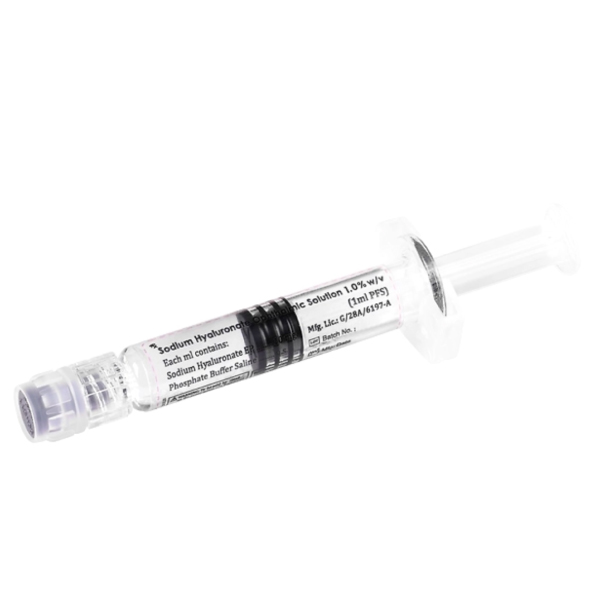
Ophthalmic viscosurgical devices (OVD) are essential in cataract surgery. Based on their physical properties they fall into two main groups with different strengths.
Cohesive OVD
Viscoelastics whose molecules bind well together, such as high-concentration sodium hyaluronate:
- Maintain the anterior chamber effectively
- Create working space for the surgeon
- Easy to remove after surgery, reducing the risk of post-operative pressure spikes
Dispersive OVD
Viscoelastics that spread and coat tissue surfaces well:
- Protect the corneal endothelium especially well
- Adhere to the cornea and are not easily washed away during phaco
- Slightly harder to remove
The Soft-Shell Technique
Many surgeons combine both types (dispersive to coat the cornea, cohesive to maintain the anterior chamber) to gain the benefits of each.
Conclusion
The choice depends on the technique and the surgeon’s judgment. What matters is high clarity, sterility, and certification — for safe, smooth surgery.
Browse certified viscoelastics for eye surgery, or contact our team for advice through any channel.
Related Articles
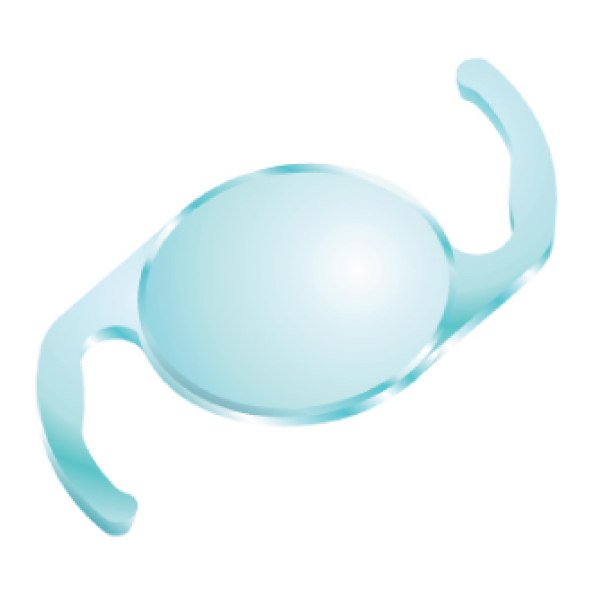
What Affects the Price of an Intraocular Lens?
Intraocular lens prices vary by lens type, technology, material, and certification. This article explains the factors that affect the price to help you decide.
Read Article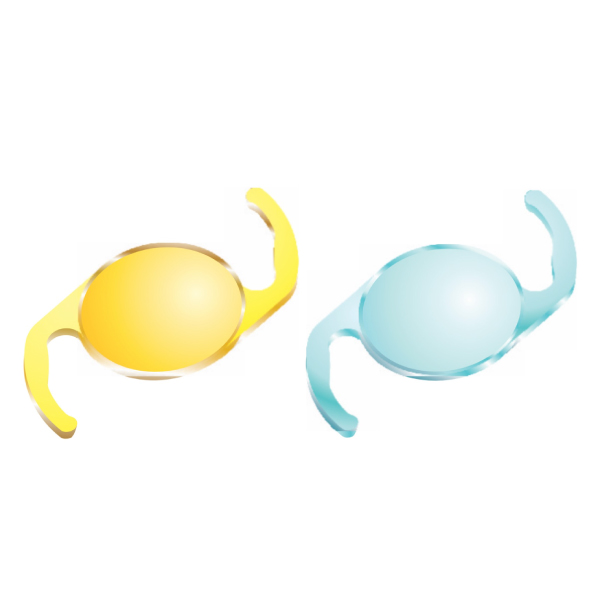
How Long Does an Intraocular Lens Last? Does It Need Replacing?
Intraocular lenses are designed to last a lifetime and generally never need replacing. This article explains their lifespan and post-operative care.
Read Article Monofocal, Toric, EDoF, or Multifocal IOL: Which to Choose?
A comparison of intraocular lens types — Monofocal, Toric, EDoF, and Multifocal — to help choose the right lens for your vision and lifestyle.
Read Article