
Cataract Surgery: Steps, Preparation, and Aftercare
Understand the cataract surgery process with phacoemulsification, how to prepare, and how to care for yourself afterward for a good recovery.
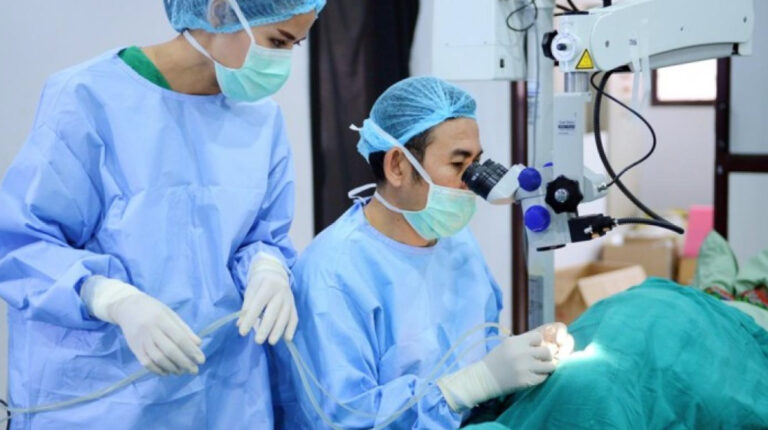
Cataract surgery is one of the safest and most effective procedures, restoring clear vision for patients. This article briefly explains the steps and preparation.
The Surgical Technique
The current standard is phacoemulsification — the surgeon makes a small incision of about 2.2 mm, uses ultrasound to break up the cataract and remove it, then implants an intraocular lens in its place. The small wound heals quickly and usually needs no sutures.
Preparing for Surgery
- Measure vision and calculate the appropriate lens power
- Inform your doctor of medications and medical conditions
- Fast as advised if sedation will be used
During and After Surgery
The procedure is short and usually uses local anesthesia. Afterward you should:
- Use prescribed eye drops strictly as directed
- Avoid rubbing the eye and heavy lifting
- Wear an eye shield while sleeping in the early days
- Attend follow-up appointments
Conclusion
Surgical success depends on the surgeon’s expertise, the quality of certified lenses and instruments, and good aftercare. Choosing products certified to ISO 13485, CE, and Thai FDA is therefore an important factor.
Related Articles
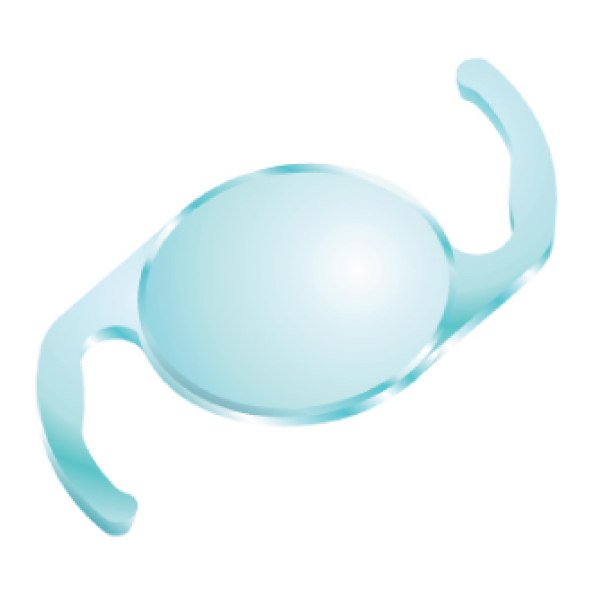
What Affects the Price of an Intraocular Lens?
Intraocular lens prices vary by lens type, technology, material, and certification. This article explains the factors that affect the price to help you decide.
Read Article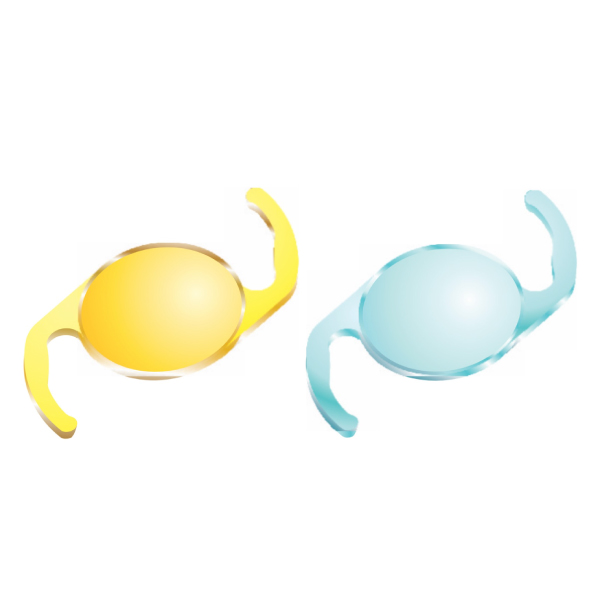
How Long Does an Intraocular Lens Last? Does It Need Replacing?
Intraocular lenses are designed to last a lifetime and generally never need replacing. This article explains their lifespan and post-operative care.
Read Article Monofocal, Toric, EDoF, or Multifocal IOL: Which to Choose?
A comparison of intraocular lens types — Monofocal, Toric, EDoF, and Multifocal — to help choose the right lens for your vision and lifestyle.
Read Article