
Eye Care After Cataract Surgery for a Good Recovery
Guidance on caring for yourself after cataract surgery — using eye drops, precautions, and warning signs that need prompt medical attention.
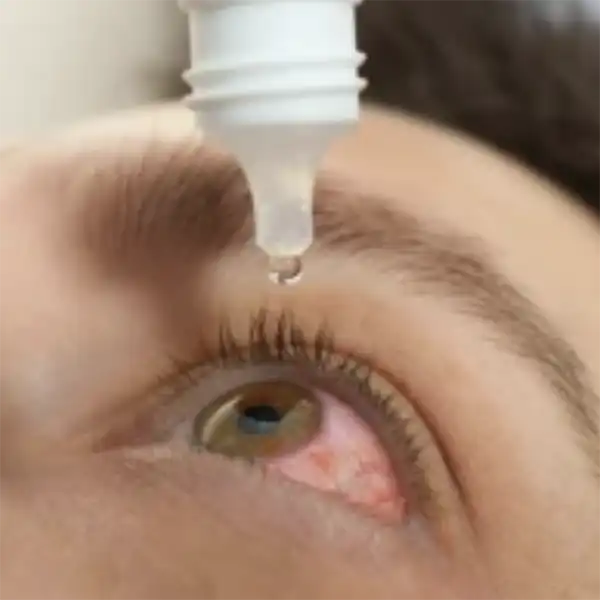
After cataract surgery, proper self-care during the first week greatly affects recovery and long-term vision.
Using Eye Drops
Doctors usually prescribe antibiotic and anti-inflammatory eye drops. You should:
- Use every drop on schedule, in the prescribed amount
- Wash your hands before every application
- Space out different drops as your doctor advises
Precautions in the Early Days
- Avoid rubbing or pressing on the eye
- Wear an eye shield while sleeping as directed
- Avoid heavy lifting and bending the head low early on
- Keep water, dust, and smoke away for the first 1–2 weeks
- Use artificial tears for dry-eye relief if advised
Warning Signs
If you have severe eye pain, increasing redness, worsening vision, or many new flashes/floaters, see an ophthalmologist immediately.
Conclusion
Vision usually improves within days to weeks. Following your doctor’s instructions closely and attending follow-up visits are the keys to a good recovery.
Browse eye drops and artificial tears for post-operative eye care, or contact our team through any channel.
Related Articles

What Affects the Price of an Intraocular Lens?
Intraocular lens prices vary by lens type, technology, material, and certification. This article explains the factors that affect the price to help you decide.
Read Article
How Long Does an Intraocular Lens Last? Does It Need Replacing?
Intraocular lenses are designed to last a lifetime and generally never need replacing. This article explains their lifespan and post-operative care.
Read Article Monofocal, Toric, EDoF, or Multifocal IOL: Which to Choose?
A comparison of intraocular lens types — Monofocal, Toric, EDoF, and Multifocal — to help choose the right lens for your vision and lifestyle.
Read Article